GM 18060573 Spindle Steering Knuckle Driver
fits model: C1500. make: Chevrolet, Gmc. year: 1988–1994.
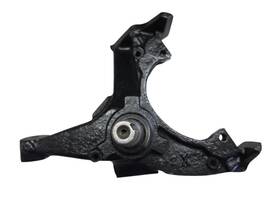
( Brand: Gm ), ( Manufacturer Part Number: 18060573 ), ( Type: Spindle ), ( Placement On Vehicle: Left )
Review GM Chevrolet Gmc Spindle Steering Knuckle Driver Side Oem fits C1500 1988–1994
The **GM 18060573 94 Chevrolet GMC C1500 Spindle Steering Knuckle Driver** is a precision-engineered, high-performance replacement part designed specifically for the 1994 Chevrolet and GMC C1500 full-size pickup trucks, ensuring optimal handling, stability, and durability for drivers who demand reliability. This steering knuckle driver, also known as the spindle assembly, plays a critical role in the vehicle s front suspension system by connecting the wheel hub to the steering linkage while allowing for smooth rotation and lateral movement. Crafted from high-grade steel and engineered to meet or exceed OEM specifications, this component is built to withstand the rigors of daily driving, off-road adventures, or heavy-duty applications, providing a seamless fit with the stock suspension geometry. The spindle features a robust design with integrated mounting points for the ball joint, sway bar link, and brake components, ensuring proper alignment and structural integrity. Whether installed in a daily commuter, a work truck, or a performance-oriented vehicle, this spindle driver delivers consistent performance, reducing wear on tires, brakes, and other suspension elements by maintaining precise wheel alignment and minimizing unnecessary stress on the steering system. Ideal for mechanics, DIY enthusiasts, or fleet managers seeking long-lasting, cost-effective replacements, this part is a straightforward upgrade that enhances both the functionality and longevity of the vehicle s front end. With its compatibility across the 1994 model year and adherence to GM s original engineering standards, this spindle driver is a trusted solution for restoring or maintaining the handling characteristics of the C1500, ensuring a smooth ride and reliable steering response for years to come.
### **Pros and Cons of Buying a GM 18060573 94 Chevrolet/GMC C1500 Spindle Steering Knuckle (Driver Side)**
#### **Pros:**1. **Common and Widely Available Parts** Being a well-known GM part from a 1994 C1500, this spindle is part of a highly produced vehicle, meaning replacement parts, labor, and diagnostic resources are abundant. This reduces the risk of long wait times or difficulty finding compatible components.
2. **Proven Reliability** The 1994 C1500 was a solid truck in its time, and the spindle/steering knuckle assembly was designed for durability. If the issue is isolated to this component (e.g., worn bushings, ball joints, or tie rod ends), replacing it can restore proper steering and suspension function without needing a full axle swap.
3. **Cost-Effective Repair** Compared to newer or high-performance trucks, the labor and part costs for a 1994 model are relatively low. A new spindle/knuckle assembly (or a rebuilt/refurbished one) is often cheaper than dealing with more complex suspension failures (e.g., control arm issues, sway bar links, or worn-out ball joints).
4. **Compatibility with Aftermarket Upgrades** If you plan to modify the truck (e.g., lift kits, wider tires, or performance suspension), this spindle may still be usable with aftermarket components, though you may need to source compatible hardware (e.g., upgraded bushings, longer arms).
5. **Potential for DIY Replacement** For mechanically inclined owners, replacing a spindle/steering knuckle can be a manageable DIY project with the right tools (jack, lug wrench, torque wrench, and possibly a press for ball joints). Online guides and forums (e.g., TruckPulse, Chevy Truck Forum) provide step-by-step instructions.
6. **Secondary Market Availability** You can often find used or rebuilt spindles at lower costs from junkyards, salvage yards, or online marketplaces (e.g., Craigslist, Facebook Marketplace, or eBay). This can be a budget-friendly option if you re willing to inspect the part for wear.
7. **Minimal Long-Term Risks** If the spindle is failing due to normal wear (e.g., rust, worn bushings, or a cracked knuckle), replacing it prevents further damage to the steering linkage, tie rods, or control arms. Addressing the issue early avoids more expensive repairs down the line.
---
#### **Cons:**1. **Age-Related Wear and Rust** A 1994 truck is nearly 30 years old, meaning the spindle may already have rust, corrosion, or internal wear (e.g., worn ball joints, seized bushings, or cracked knuckles). If the part is not replaced with a high-quality new or rebuilt unit, it may fail again quickly.
2. **Potential for Hidden Damage** If purchasing a used spindle, there s a risk of hidden damage (e.g., bent knuckles, cracked welds, or worn-out tie rod ends). Without a thorough inspection, you might end up with a part that fails soon after installation.
3. **Compatibility with Modern Modifications** If the truck has been heavily modified (e.g., lifted, with aftermarket suspension or wider wheels), the stock spindle may not align properly with new components. You may need to source a custom or upgraded spindle to avoid binding or premature wear.
4. **Labor Intensity** While not overly complex, replacing a spindle requires removing the wheel, disconnecting the tie rod, and often swapping ball joints or sway bar links. If you re not comfortable with suspension work, professional labor costs can add up, especially if other components (e.g., control arms, bushings) are also worn.
5. **Risk of Recurring Issues** If the spindle failure is symptomatic of a larger problem (e.g., misaligned wheels, worn steering rack, or a failing ball joint), replacing just the spindle may not be a permanent fix. You might need to address related components to prevent future failures.
6. **Limited Warranty on New Parts** If purchasing a new spindle, warranties are typically short-term (e.g., 1 3 years) and may not cover labor. This means you re responsible for any failures outside the warranty period.
7. **Potential for Incompatibility with Modern Vehicles** If the truck has been involved in an accident or has been driven aggressively, the spindle may have been damaged in ways that aren t immediately visible. A rebuilt or used spindle might not last as long as a new one in high-mileage or rough-service applications.
---
### **Conclusion:**Buying a **1994 Chevrolet/GMC C1500 driver-side spindle/steering knuckle** can be a practical and cost-effective solution if the issue is isolated to this component. The part s widespread availability, lower cost, and compatibility with DIY repairs make it an attractive option for basic maintenance. However, the age of the truck introduces risks like rust, hidden damage, and potential compatibility issues with aftermarket modifications. If you re replacing it as a standalone repair and have access to a high-quality new or rebuilt part, this is a reasonable fix. If the truck has a history of rough treatment or other suspension issues, it may be worth investigating further before committing to the repair.
---
### **Recommendation:**1. **Inspect the Current Spindle Thoroughly** Before purchasing a replacement, check the existing spindle for rust, cracks, or worn bushings. If it s severely damaged, a new or rebuilt part is the safest choice.
2. **Source a High-Quality Replacement**
- **New Part:** Best for long-term reliability, but pricier. Look for OEM or high-quality aftermarket brands (e.g., Moroso, Dorman, or local specialty shops).
- **Rebuilt/Refurbished:** A cost-effective middle ground if sourced from a reputable shop. Ensure it includes new bushings and ball joints.
- **Used Part:** Only if you can inspect it in person and confirm it s free of cracks or excessive wear.
3. **Address Related Components** If the truck has worn tie rods, ball joints, or control arms, replace them simultaneously to avoid future issues. This may increase upfront costs but prevents recurring problems.
4. **Consider Professional Installation** If you re not experienced with suspension work, have a trusted mechanic perform the replacement. This ensures proper torque specs, alignment, and clearance checks.
5. **Check for Underlying Issues** If the spindle failure is accompanied by steering wander, clunking noises, or uneven tire wear, investigate the steering rack, alignment, or suspension geometry before finalizing the repair.
6. **Budget for Additional Costs** Account for labor (if outsourcing), torque wrench rental, and any necessary tools (e.g., ball joint press, tie rod tool). Unexpected issues (e.g., a seized ball joint) could add to the total cost.
**Final Verdict:**If the spindle is the sole issue and you re replacing it with a new or rebuilt part, this is a **worthwhile repair** for a 1994 C1500. However, if the truck has a history of neglect or other suspension problems, prioritize a full inspection before proceeding. For most owners, this is a **practical and cost-efficient fix** that restores proper steering and suspension function without major overhauls.
Details:
Please review the images and ask questions prior to buying. This may fit other years and model's as well. Odometer:125000 Miles.
Part Comments: 1.25 INCH ROOR,LH 4X2 KNUCKLE/SPINDLE Condition: The spindle is not damaged or heavily worn. B fits A ; difference is drilled hole for ABS sensor. Model: CHEVROLET 1500 PICKUP 1990.
part #: 18060573 prices
- $129.15-$149.99
specifications tirolik:
- for models: C1500
- for makes: Chevrolet, Gmc
- for years: 1988-1994
- brand: Gm
- mpn: 18060573
- type: Spindle
- placement on vehicle: Left
returns tirolik:
- policy: Returns Accepted
- paid by: Buyer
- time: 30 Days
general tirolik:
- Car Truck Parts Accessories > Steering Suspension > Tie Rods Steering Linkages
- condition: Used
payments tirolik:
- credit card: Diners-club
- other
- wallet: Paypal
seller tirolik:
- city: Fulton, New York
- rating: 100.0%
- # reviews: 6350
shipping tirolik:
- service: UPS Ground
- transit: 9-15 Days
- type: Calculated
- carrier: UPS
- cost: $36.72
- class: Standard
offer tirolik:
- best offers: True
- options: Ship-to-home
- sold: 0
- started: April 20, 2026
- availability: In Stock
- quantity: 1
Gm 18060573 Is Similar To:
- 116-10016 Proforged Gm Steering Rebuild Kit (39% similar) Through messages. Electrical or electronic components are also void if they have been connected opened. All warranted are handled through part manufacture. In 2013 the brick and mortar family business has branched out to other marketplaces provide you with superior online service delivery...(September 2nd, 2018)
- 116-10018 Proforged Gm Steering Rebuild Kit (37.4% similar) All warranted are handled through part manufacture. Through messages. In 2013 the brick and mortar family business has branched out to other marketplaces provide you with superior online service delivery. Electrical or electronic components are also void if they have been connected opened...(April 25th, 2018)
- 12479169 Gm Oem Link (18% similar) Est, Mon to Fri. All airbag modules are also non returnable...(August 20th, 2018)
- 13286681 Gm Oem Steering Tie Rod Nut (39.7% similar) Est, Mon to Fri. All airbag modules are also non returnable...(October 8th, 2018)
- 13286686 Gm Oem Steering Tie Rod End (39.7% similar) This part fits vehicles made in the following years 2011 , 2012 , 2013 , 2014 , 2015 , 2016 , 2017 , 2018 . Superseded part numbers this item may have been from a different number manufacture. This parts position is front outer, outer...(June 22nd, 2018)
- 13286687 Gm Oem Steering Tie Rod End (39.7% similar) All airbag modules are also non returnable. Est, Mon to Fri...(October 8th, 2018)
- 13354596 Gm Chevrolet Oem Malibu Steering Tie Rod End (42.1% similar) Est, Mon to Fri. All airbag modules are also non returnable...(August 11th, 2018)
- 15220347 Gm Oem Rod Kit Steering Tie Outer (39.3% similar) Make sure to check all the photos as they are part of. I ship to shipping hub only...(July 23rd, 2018)
- 15821967 Gm Oem Front Door-lock (19.8% similar) ...(October 9th, 2017)
- 15891515 General Motors New Genuine Gm Oem Tie Rod End Kit (21.7% similar) Please feel free to ask questions prior buying. Please do your research to make sure this is the exact part for application. Package shows shelf wear...(February 28th, 2018)
- 15944072 Gm Lot Of Oem Steering Gear Front Inner Tie Rod (41.2% similar) Lot of 2 new pieces Gm part no. 4l equipped with electric power pack steering, it can fit certain model's of Chevy Malibu, Pontiac g6 and Saturn...(April 1st, 2018)