TOYOTA 45047-69100 Land Front Left Driver Steering Tie Rod J100
fits model: Cruiser. make: Toyota. year: 1998–2002.
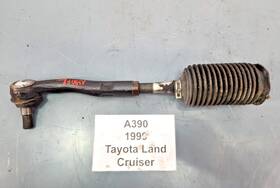
( Manufacturer Part Number: 45047-69100 ), ( Type: Tie Rod Assembly ), ( Placement On Vehicle: Front, Left ), ( California Prop 65 Warning: Motor Vehicles California Requires The Following Notice, Oils And Fluids, Battery Posts, Terminals And Related Accessories Which Contain Lead And Lead Compounds And Other Chemicals Known To The State Of California To Cause Cancer, Birth Defects And Other Reproductive Harm. These Chemicals Are Found In Vehicles, Vehicle Parts And Accessories, Both New And As Replacements. When Being Serviced, These Vehicles Generate Used Oil, Waste Fluids, Grease, Fumes And Particulates, All Known To The State Of California To Cause Cancer, Birth Defects, And Reproductive Harm. ), ( Country Of Origin: Japan )
Review TOYOTA Oem Land Front Left Driver Side Steering Tie Rod fits CRUISER 1998–2002
The **Toyota 45047-69100 Front Left Driver Steering Tie Rod** is a precision-engineered component designed exclusively for the **1998 2002 Toyota Land Cruiser J100 series**, ensuring optimal steering performance, durability, and reliability for off-road and on-road adventures alike. This high-quality replacement part is meticulously crafted to match the original equipment specifications, featuring a robust **ball joint assembly** that allows for smooth articulation and minimal play, critical for maintaining precise control during sharp turns, rough terrain, and high-speed maneuvers. Constructed from **heat-treated steel**, the tie rod end is engineered to withstand the rigors of heavy-duty use, including prolonged exposure to dust, moisture, and extreme temperatures, which are common in off-road environments. The **double-sealed rubber boot** provides an effective barrier against contaminants, prolonging the life of the internal components and reducing the risk of premature wear or failure. Whether you're navigating rocky trails, deep mud, or urban streets, this tie rod ensures a firm and responsive connection between the steering rack and the wheel, enhancing both safety and handling. Ideal for DIY enthusiasts or professional mechanics, this part is a direct-fit replacement, eliminating the need for modifications or additional adapters, and is backed by Toyota s rigorous quality standards. Perfect for restoring or upgrading your Land Cruiser s steering system, this tie rod is a must-have for maintaining the vehicle s legendary off-road capability and long-term performance.
### **Pros and Cons of Buying a 1998-2002 Toyota Land Cruiser J100 Front Left Driver Steering Tie Rod (Part #45047-69100)**
#### **Pros:**1. **Compatibility and Fitment** This part is designed specifically for the 1998-2002 Toyota Land Cruiser J100, ensuring a proper fit without modifications. It is a direct replacement for the original steering tie rod end, which is a critical component for safe and precise steering.
2. **Durability and Quality** Toyota parts, even aftermarket or remanufactured ones, are generally built to withstand heavy-duty conditions. The tie rod end is a load-bearing part that must handle constant stress from steering inputs, road imperfections, and suspension movement. A genuine or high-quality aftermarket part will resist wear and corrosion better than a cheap knockoff.
3. **Safety and Performance** The steering tie rod end connects the steering rack to the steering knuckle, allowing for smooth and responsive steering. A worn or damaged tie rod can lead to excessive play, vibrations, or even sudden loss of control, making this a critical safety component. Replacing it ensures better handling and reduces the risk of steering-related failures.
4. **Ease of Installation** This part is relatively straightforward to install, especially if you have basic mechanical experience. It typically requires removing the old tie rod, adjusting the steering rack linkage, and securing the new part with the correct ball joint nut torque. Many owners or mechanics can complete the job in under an hour with the right tools.
5. **Preventative Maintenance** Replacing the tie rod end as part of routine suspension maintenance can prevent more costly damage down the line. Ignoring worn tie rods can lead to accelerated wear on the steering rack, ball joints, or even the suspension bushings, increasing long-term repair expenses.
6. **Availability and Cost** While not a cheap part, it is widely available from Toyota dealerships, specialty auto parts stores, and online retailers. Prices vary depending on whether it is a genuine Toyota part, an aftermarket brand (such as Dorman, ACDelco, or Mopar), or a remanufactured unit. Aftermarket options are often more affordable while maintaining reliability.
7. **Longevity of the J100** The Land Cruiser J100 is a rugged, off-road-capable vehicle, and its suspension components are built to last if properly maintained. Replacing the tie rod end now can extend the life of the steering system, keeping the vehicle reliable for years of use.
---
#### **Cons:**1. **Cost** A new or remanufactured steering tie rod end for a Land Cruiser J100 can range from **$50 to $150 **, depending on the brand and whether it includes labor. If purchasing from a dealership, prices may be higher due to markup. This is a relatively expensive part compared to some other suspension components, but it is justified by its critical role in steering safety.
2. **Potential for Counterfeit Parts** Some aftermarket parts, especially those purchased from unknown sellers (e.g., unbranded eBay listings or generic online marketplaces), may be counterfeit or of poor quality. These can fail prematurely, leading to repeated replacements and frustration. Always buy from reputable suppliers with return policies or warranties.
3. **Labor Complexity (If DIY Is Difficult)** While the replacement itself is not overly complex, some owners may struggle with tasks such as:- Adjusting the steering rack linkage for proper alignment.
- Torquing the ball joint nut to the correct specification (usually **40-50 ft-lbs**).
- Ensuring the tie rod is properly seated in the steering rack without binding.
If you are not comfortable with suspension work, hiring a mechanic may add to the cost.
4. **Risk of Additional Wear** If the tie rod end was allowed to wear excessively before replacement, other components (such as the steering rack, ball joints, or control arms) may have sustained damage. A thorough inspection of the steering system is recommended to catch any hidden issues.
5. **Alignment Requirements** After replacing the tie rod end, the vehicle s wheels will likely need an alignment to compensate for the change in steering geometry. This adds an additional **$50-$100** in labor and parts if not already due.
6. **Part Variability** Some aftermarket tie rod ends may not match the original Toyota part in terms of length or thread pitch, requiring adjustments or the purchase of an adapter. Always verify compatibility before purchasing.
7. **Potential for Rust or Corrosion** Older J100s, especially those driven in harsh conditions (salt, mud, or off-road use), may have rusted or seized tie rod ends. If the old part was corroded, removing it could be difficult, requiring penetrating oil or heat to loosen it.
---
### **Conclusion:**The **Toyota 45047-69100 steering tie rod end (1998-2002 Land Cruiser J100)** is a **necessary and worthwhile replacement** if your vehicle exhibits symptoms of wear (e.g., clunking noises, loose steering, or uneven tire wear). The part is **critical for safety and steering performance**, and neglecting it can lead to more serious (and expensive) issues.
The **pros outweigh the cons** for most owners, as the benefits in terms of **safety, reliability, and longevity** far exceed the drawbacks. The main challenges **cost, potential for counterfeit parts, and labor complexity** can be mitigated by:
- Purchasing from a **trusted supplier** (Toyota dealership, reputable aftermarket brand, or a well-reviewed online retailer).
- Ensuring **proper installation** (either by doing it yourself carefully or hiring a qualified mechanic).
- **Inspecting the rest of the steering/suspension system** to avoid future problems.
If your J100 is showing signs of tie rod wear (e.g., a loose or clunking steering wheel, uneven tire tread wear, or visible play in the steering), **replacing it promptly is the best course of action**. Delaying the repair risks **worsening steering issues, accelerating wear on other components, and potentially compromising safety**.
---
### **Recommendation:**1. **Buy from a Reliable Source** Opt for a **genuine Toyota part** (if available) or a **high-quality aftermarket brand** (e.g., Dorman, ACDelco, or Mopar). Avoid unbranded or suspiciously cheap parts to ensure durability.
2. **Inspect the Steering System** While replacing the tie rod end, check for:- Worn ball joints.
- Damaged steering rack seals (leaking fluid).
- Rust or corrosion in the steering linkage.
- Proper alignment of the steering geometry.
3. **DIY or Professional Installation?**
- If you have **basic mechanical experience**, you can likely install it yourself with the right tools (socket set, torque wrench, C-clamp for ball joint compression).
- If you are **unsure about alignment or steering adjustments**, consider having a mechanic handle it to avoid misalignment or improper torque.
4. **Get an Alignment** After replacement, **always get a wheel alignment** to ensure proper steering geometry and tire wear.
5. **Monitor for Recurring Issues** If the new tie rod end fails prematurely, investigate whether the failure was due to **poor-quality parts, improper installation, or underlying issues** (e.g., steering rack problems).
**Final Verdict:** **Replace the tie rod end as soon as symptoms appear.** The cost and effort are justified by the **improved safety, steering responsiveness, and long-term reliability** of your Land Cruiser J100.
Details:
Model: Toyota Land Cruiser. STOCK NUMBER: #390. All parts come with a 30-day warranty. Large Items Shipping.
ENGINE 4.7L V8.
part #: 4504769100 prices
- $19.95-$39.95
specifications tirolik:
- for models: Cruiser
- for makes: Toyota
- for years: 1998-2002
- mpn: 45047-69100
- type: Tie Rod Assembly
- placement on vehicle: Front, Left
- california prop 65 warning: Motor Vehicles California Requires The Following Notice, Oils And Fluids, Battery Posts, Terminals And Related Accessories Which Contain Lead And Lead Compounds And Other Chemicals Known To The State Of California To Cause Cancer, Birth Defects And Other Reproductive Harm. These Chemicals Are Found In Vehicles, Vehicle Parts And Accessories, Both New And As Replacements. When Being Serviced, These Vehicles Generate Used Oil, Waste Fluids, Grease, Fumes And Particulates, All Known To The State Of California To Cause Cancer, Birth Defects, And Reproductive Harm.
- country of origin: Japan
payments tirolik:
- credit card: Discover
- other
- wallet: Google-pay
general tirolik:
- condition: Used
- Car Truck Parts Accessories > Steering Suspension > Tie Rods Steering Linkages
seller tirolik:
- rating: 100.0%
- city: Oceanside, California
- # reviews: 9494
returns tirolik:
- paid by: Seller
- policy: Returns Accepted
- time: 60 Days
offer tirolik:
- started: May 13, 2026
- sold: 0
- quantity: 1
- options: Ship-to-home
- availability: In Stock
shipping tirolik:
- transit: 3-7 Days
- carrier: UPS
- class: Standard
- type: Fixed
- service: UPS Ground
- cost: $17.95
Toyota 45047-69100 Is Similar To:
- Es2508l Toyota Fits Trw Front Outer Tie Rod End (40.6% similar) Please refer to pictures for item condition...(August 5th, 2018)
- 101-1766 Steering Tie Rod End Front Left Fits Toyota Land Cruiser (28.4% similar) New fits toyota land cruiser 68-83...(July 16th, 2018)
- 101-3688 Beck Arnley Front Inner Steering Tie Rod End Toyota Camry (44.9% similar) Please through for any questions. No matter what says. None of which makes the part defective. Beck anally part number rubber parts, gaskets, hardware may need to be replaced and not usable. They may have been in storage anywhere from 1-30 years. There may be minor corrosion, scuffs, torn or missing...(April 8th, 2018)
- 101-3969 Steering Tie Rod End Toyota Corolla (31.3% similar) Tie rod end configuration straight type female this product ships directly from the manufacturer. Buyer pays return shipping. Erasable no quantity sold individually. Fitment information may not be available for all products and those without will have a compatibility link...(August 10th, 2018)
- 101-4009 Steering Tie Rod End Toyota Fap (35.4% similar) Applications are for many different 1986 through 1998 toyota Tacoma, 4-RUNNER and T-100 pick-up truck model vehicles shown by year detail in the catalog above. Please study photos very carefully. Related parts are, 68748 and free trial. This offer listing is for one 1 only, a good new old stock ...(August 18th, 2018)
- 101-4226 Beck Arnley Front Inner Tie Rod End Toyota 049797341781 (36.4% similar) There may be minor corrosion, scuffs, torn or missing boxes, scratches from storage, etc. Once purchased you own it. None of which makes the part defective. If any manufacturer warranty exists, it is between you and them. Sometimes the fitment is so old that it does not take into account trim, ...(May 28th, 2018)
- 101-4463 Steering Tie Rod End Assembly Front Outer Fits Toyota (27.6% similar) ...(October 1st, 2018)
- 101-4974 Steering Tie Rod End Fits Toyota Fj Cruiser (29.6% similar) Car quest red chassis Canada, Deena, Delphi, Murdoch LP, Moog, NASCAR advantage, imparts automotive, parts master chassis, Pb pro steer quick steer, rare inc. Steering tie rod end fits toyota 4RUNNER DJ cruiser beck Enterprise is for 1 - adjust qty as needed...(June 10th, 2018)
- 101-5314 Steering Tie Rod End For Toyota Sienna 049797777832 (29.3% similar) This e-mail is constantly monitored so you can be sure your questions will answered promptly and courteously. Shipping costs are based on the method that you choose. 25NUMBER of pieces: 1UPC: 2 beck anally is a leading specialty provider premium parts for cars, light trucks, and Suva...(April 3rd, 2018)
- 101-5321 Steering Center Link Fits Toyota Land Cruiser (26.4% similar) PST, Mon to Fri. Steering link fits toyota land cruiser beck Enterprise is for 1 - adjust qty as needed...(August 14th, 2018)
- 101-7867 Steering Tie Rod End Front Inner Fits Toyota Highlander (27.3% similar) Check fitment notes. This part fits vehicles made in the following years 2008 , 2009 , 2010 , 2011 , 2012 , 2013 , 2014 , 2015 . Disclosure: photos do not represent actual part. Stock photos only. V6 gas naturally aspirated. The items should be send with all original packaging, paperwork and...(March 7th, 2018)