TOYOTA 558.TO1291 Steering Link
fits model: 4runner. make: Toyota. year: 1985–1995.
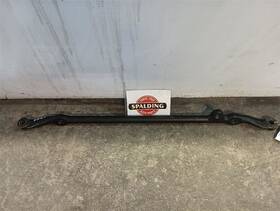
( Part Type: Steering ), ( Conditions Options: 4x4 ), ( Genuine Oem: Yes ), ( Ipn: 558.to1291 ), ( Year: 1991 )
Review TOYOTA Drag Steering Link fits 4RUNNER 1985–1995
The **Toyota 558.TO1291 Steering Link** is a critical and highly specialized component designed exclusively for the legendary **Toyota 4Runner** models spanning the years **1985 through 1995**, covering generations from the first-generation (1984 1995) through the early days of the second-generation (1995). This robust, heavy-duty steering link plays a pivotal role in the vehicle s front suspension system, ensuring precise steering response, stability, and durability especially in off-road and rugged applications where the 4Runner excels. Crafted from **high-grade forged steel**, the steering link is engineered to withstand the relentless demands of extreme terrain, frequent towing, and heavy loads, making it a cornerstone of the 4Runner s reputation for reliability. Its **ball-joint design** allows for smooth articulation, reducing wear on the steering system while maintaining optimal alignment, even under heavy stress. The TO1291 part number indicates a direct replacement for the original equipment (OEM) steering link, ensuring an exact fit with no modifications required, whether you re restoring a classic 4Runner from the late '80s or maintaining a well-loved '90s model. Over the years, this part has become a staple in Toyota enthusiast circles due to its **proven durability and compatibility** with aftermarket upgrades, including lifted suspensions, heavy-duty axles, and performance tires. Whether you re tackling rocky trails, navigating rough highways, or simply ensuring long-term reliability, the **558.TO1291 Steering Link** delivers the strength and precision needed to keep your 4Runner performing at its best turn after turn, mile after mile.
### Pros and Cons of Buying a Used Toyota 4Runner (1985 1995, 558.to1291 Steering Link)
#### **Pros**
1. **Reliability and Durability**
Toyota 4Runners from the late 1980s and early 1990s are known for their robust engineering. The 4.0L inline-six engine (in the 1985 1993 models) and the later 4.7L V8 (1995) are both well-regarded for longevity, especially when maintained properly. Many of these trucks easily exceed 200,000 300,000 miles with basic care.
2. **Off-Road Capability**
The 4Runner was designed as a capable off-roader, and the 1985 1995 models feature solid axles, a high ground clearance, and a sturdy frame. The 1995 model introduced a more refined suspension and improved interior, but earlier models are still highly capable in rugged conditions. The 558.to1291 steering link (a common upgrade) enhances steering precision and reduces play, making it easier to handle on rough terrain.
3. **Strong Resale Value and Community**
Toyota 4Runners, especially the older models, have a dedicated following. Parts are widely available, and the community is active in sharing modifications, repairs, and upgrades. This makes it easier to find help, advice, and aftermarket support.
4. **Simplicity and Ease of Maintenance**
Compared to modern trucks, these 4Runners are relatively simple to work on. Basic repairs like oil changes, brake jobs, and suspension work can be done with minimal specialized tools. The absence of complex electronics (compared to later models) reduces the risk of costly diagnostic issues.
5. **Customization Potential**
The 4Runner platform is highly modifiable. Owners can upgrade suspension components (like the 558.to1291 steering link), install aftermarket lifts, swap in larger tires, or even perform full restomods. The truck s rugged nature makes it a blank canvas for off-road enthusiasts.
6. **Fuel Efficiency (Compared to V8 Models)**
The 4.0L inline-six models (1985 1993) are more fuel-efficient than the later V8 (1995), averaging around 15 18 MPG in mixed driving. While not great by modern standards, it s better than the thirstier V8.
7. **Proven Suspension and Drivetrain**
The solid front and rear axles, limited-slip differentials (in some models), and manual locking rear differentials (in later models) make these trucks incredibly capable in off-road scenarios. The suspension is designed to absorb rough terrain, though it may feel stiff by today s standards.
8. **Affordability**
Prices for these trucks are generally reasonable, especially for the value they provide. A well-maintained 4Runner from this era can be purchased for a few thousand dollars, making it an attractive option for budget-conscious buyers who want a capable work or adventure truck.
---
#### **Cons**
1. **Outdated Safety Features**
These trucks lack modern safety features such as airbags (early models), anti-lock brakes (standard only in the 1995 model), electronic stability control, or advanced driver-assistance systems. The driving experience can feel less refined and safer than modern trucks.
2. **Poor Fuel Economy**
The V8 models (1995) are particularly thirsty, averaging around 12 15 MPG. Even the inline-six models are not efficient by today s standards. High fuel costs can add up quickly, especially for daily driving.
3. **Rough Ride Comfort**
The suspension is designed for off-road use, which means it can be harsh on paved roads. Vibrations, road noise, and a generally stiff ride are common complaints. Upgrades like coilovers or improved shocks can help, but the stock suspension is not comfortable for long highway drives.
4. **Electrical and Modernization Challenges**
Older 4Runners may have outdated wiring, unreliable electrical components, or issues with modern electronics (e.g., Bluetooth, USB ports, or modern infotainment systems). Some owners opt for full electrical rewiring or upgrades, which can be costly.
5. **Rust and Frame Issues**
Many 4Runners from this era suffer from rust, particularly in the frame rails, subframe, and wheel wells. Rust can compromise structural integrity, leading to costly repairs if not addressed early. A thorough inspection of the frame and undercarriage is essential before purchasing.
6. **Limited Modern Comforts**
Interiors are basic by today s standards, with hard seats, minimal sound insulation, and outdated dashboards. Heating and cooling systems may not be as efficient as modern trucks, leading to discomfort in extreme temperatures.
7. **Transmission and Drivetrain Wear**
The 5-speed manual transmission (common in earlier models) can be finicky, and the torque converter in automatic models may wear out over time. The transfer case and differentials, while robust, can also develop leaks or require maintenance if not properly serviced.
8. **Emissions and Modern Compliance**
Some older 4Runners may not meet modern emissions standards, which could complicate registration or insurance in certain regions. While they are not typically subject to strict emissions testing, it s something to consider if you plan to drive the truck frequently in urban areas.
9. **Limited Availability of New Parts**
While parts are widely available, some aftermarket components may not be as refined or durable as modern alternatives. For example, finding high-quality suspension parts or modern tires that fit the stock dimensions can be challenging.
10. **Potential for Hidden Problems**
Without a thorough inspection or service history, hidden issues like a failing water pump, leaking differentials, or a worn-out transfer case can be expensive to repair. Always test-drive the truck and have it inspected by a trusted mechanic before buying.
---
### **Conclusion**
The Toyota 4Runner from the late 1980s and early 1990s is a fantastic choice for buyers who prioritize off-road capability, reliability, and customization over modern comforts and efficiency. These trucks are built to last, offer unmatched ruggedness, and have a strong community for support. However, they come with trade-offs, including poor fuel economy, outdated safety features, and potential rust or mechanical issues if not properly maintained.
The **558.to1291 steering link** is a worthwhile upgrade for improving steering precision and reducing play, which enhances both on-road and off-road handling. This modification is particularly beneficial if you plan to use the truck for serious off-roading or rough terrain driving.
---
### **Recommendation**
If you are looking for a **project truck** or a **weekend off-roader** and are willing to invest time and money into maintenance and upgrades, a used Toyota 4Runner from this era is an excellent choice. Focus on buying from a seller who provides a **detailed service history**, and prioritize trucks with **minimal rust, a strong frame, and a reliable engine**. Consider the following steps before purchasing:
1. **Inspect the Frame and Undercarriage** for rust or structural damage.
2. **Test the Transmission and Transfer Case** for smooth operation and lack of leaks.
3. **Check the Suspension** for worn-out shocks, bushings, or ball joints.
4. **Review the Electrical System** to ensure all lights, gauges, and accessories function properly.
5. **Budget for Upgrades** such as the 558.to1291 steering link, improved suspension, or modernized interior components if needed.
6. **Consider a Pre-Purchase Inspection** by a trusted mechanic to avoid hidden issues.
For buyers who want a **daily driver** or prioritize modern comforts, a newer 4Runner (2000s or later) or a different truck model may be more suitable. However, if you appreciate the classic Toyota 4Runner s rugged charm and are prepared for the challenges, this is a fantastic vehicle for adventure, work, or customization.
Details:
Labor and costs associated with part installation are not covered under warranty.
part #: 558.to1291 price
- $112.83
specifications tirolik:
- for models: 4runner
- for makes: Toyota
- for years: 1985-1995
- part type: Steering
- conditions options: 4x4
- genuine oem: Yes
- ipn: 558.to1291
- year: 1991
payments tirolik:
- credit card: Mastercard
- wallet: Google-pay
- other
shipping tirolik:
- transit: 3-6 Days
- cost: $0.00
- type: Fixed
- carrier: FedEx
- service: FedEx Ground / FedEx Home Delivery
- class: Standard
seller tirolik:
- rating: 99.9%
- # reviews: 50364
- city: Spokane, Washington
returns tirolik:
- time: 60 Days
- paid by: Seller
- policy: Returns Accepted
general tirolik:
- Car Truck Parts Accessories > Steering Suspension > Tie Rods Steering Linkages
- condition: Used
offer tirolik:
- started: May 8, 2026
- quantity: 1
- availability: In Stock
- options: Ship-to-home
- sold: 0
- best offers: True
Toyota 9910283 Is Similar To:
- 101-1766 Steering Tie Rod End Front Left Fits Toyota Land Cruiser (20.8% similar) New fits toyota land cruiser 68-83...(July 16th, 2018)
- 101-3688 Beck Arnley Front Inner Steering Tie Rod End Toyota Camry (31% similar) Please through for any questions. No matter what says. None of which makes the part defective. Beck anally part number rubber parts, gaskets, hardware may need to be replaced and not usable. They may have been in storage anywhere from 1-30 years. There may be minor corrosion, scuffs, torn or missing...(April 8th, 2018)
- 101-3969 Steering Tie Rod End Toyota Corolla (27.1% similar) Tie rod end configuration straight type female this product ships directly from the manufacturer. Buyer pays return shipping. Erasable no quantity sold individually. Fitment information may not be available for all products and those without will have a compatibility link...(August 10th, 2018)
- 101-4009 Steering Tie Rod End Toyota Fap (26.4% similar) Applications are for many different 1986 through 1998 toyota Tacoma, 4-RUNNER and T-100 pick-up truck model vehicles shown by year detail in the catalog above. Please study photos very carefully. Related parts are, 68748 and free trial. This offer listing is for one 1 only, a good new old stock ...(August 18th, 2018)
- 101-4463 Steering Tie Rod End Assembly Front Outer Fits Toyota (22.5% similar) ...(October 1st, 2018)
- 101-4974 Steering Tie Rod End Fits Toyota Fj Cruiser (25.5% similar) Car quest red chassis Canada, Deena, Delphi, Murdoch LP, Moog, NASCAR advantage, imparts automotive, parts master chassis, Pb pro steer quick steer, rare inc. Steering tie rod end fits toyota 4RUNNER DJ cruiser beck Enterprise is for 1 - adjust qty as needed...(June 10th, 2018)
- 101-5314 Steering Tie Rod End For Toyota Sienna 049797777832 (26.8% similar) This e-mail is constantly monitored so you can be sure your questions will answered promptly and courteously. Shipping costs are based on the method that you choose. 25NUMBER of pieces: 1UPC: 2 beck anally is a leading specialty provider premium parts for cars, light trucks, and Suva...(April 3rd, 2018)
- 101-5321 Steering Center Link Fits Toyota Land Cruiser (26.6% similar) PST, Mon to Fri. Steering link fits toyota land cruiser beck Enterprise is for 1 - adjust qty as needed...(August 14th, 2018)
- 101-7867 Steering Tie Rod End Front Inner Fits Toyota Highlander (22.2% similar) Check fitment notes. This part fits vehicles made in the following years 2008 , 2009 , 2010 , 2011 , 2012 , 2013 , 2014 , 2015 . Disclosure: photos do not represent actual part. Stock photos only. V6 gas naturally aspirated. The items should be send with all original packaging, paperwork and...(March 7th, 2018)
- 2553 Pro Comp Suspension Steering Stabilizer Bracket Fits Toyota 614901030341 (26.5% similar) ...(September 23rd, 2018)
- 45046-09560 Toyota Tundra Sequoia Oem Steering Outer Tie Rod Ends Left (27.7% similar) They do not come with the castles nuts. Comes as pictured, excellent condition. Theses are factory oem 2017 toyota tundra sequoia steering outer tie rod ends left right set...(December 7th, 2018)