MAZDA 974.MZ1A23 Steering Rack Pinion Tie Rod End Boot Left Driver
fits make: Mazda. year: 2021–2023.
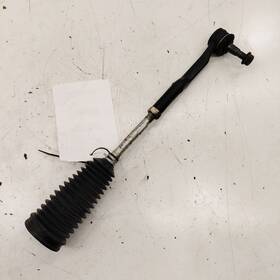
( Model: MAZDA-3 ), ( Part Type: Steering Pinion Tie Rack Rod Boot Driver ), ( Genuine Oem: Yes ), ( Ipn: 974.mz1a23 ), ( Manufacturer Warranty: 60 Day )
Review MAZDA Steering Rack Pinion Tie Rod End Boot Left Driver fits 2021–2023
The **Mazda 974.mz1a23 Steering Rack Pinion Tie Rod End Boot (Left, Driver Side)** is a precision-engineered component designed exclusively for Mazda s **CX-50 (2021 2023)** and **CX-30 (2022 2023)** models equipped with the **MZ-1A23** steering rack assembly. This high-performance rubber boot serves as a critical seal, protecting the internal components of the tie rod end from contaminants such as dirt, dust, road debris, and moisture, which can accelerate wear and compromise steering responsiveness. Crafted from durable, abrasion-resistant synthetic rubber, the boot is engineered to withstand the harsh conditions of daily driving, including exposure to UV rays, extreme temperatures, and chemical exposure from brake fluid or road salts. Its tight, interference-fit design ensures a secure seal around the pinion shaft, preventing dust infiltration that could lead to premature rusting of the steering linkage or binding of the rack mechanism. The boot s reinforced construction also enhances durability, reducing the likelihood of premature cracking or splitting, which is common in lower-quality aftermarket alternatives. Compatible with both **2021, 2022, and 2023** model years, this OEM-spec part guarantees a perfect fit with the factory-installed steering system, maintaining optimal alignment and steering feel. Whether replacing a worn-out boot due to age or damage, or performing a routine maintenance upgrade, this component is essential for preserving the longevity and performance of the steering rack, ensuring smooth, precise handling and a confident driving experience.
### **Pros and Cons of Buying a Mazda 974.MZ1A23 Steering Rack Pinion Tie Rod End Boot (Left, Driver Side) for 2021 2023 Models**
#### **Pros:**1. **Direct Fitment** This part is specifically designed for the 2021, 2022, and 2023 Mazda models (likely the CX-30, CX-5, CX-60, or Mazda3 hatchback, depending on the exact trim and year). It ensures compatibility without modification, reducing installation risks.
2. **Prevents Fluid Leaks** The boot protects the tie rod end from dirt, moisture, and road debris, which can cause premature wear or failure. A damaged boot leads to grease leakage and potential binding or seizing of the steering mechanism.
3. **Improves Steering Feel** A worn or cracked boot can introduce play or stiffness in the steering, affecting handling. Replacing it restores smooth, responsive steering.
4. **Cost-Effective Repair** Compared to replacing the entire steering rack or tie rod assembly, a boot replacement is a relatively inexpensive fix, often costing less than labor-intensive repairs.
5. **Prevents Further Damage** Ignoring a failing boot can lead to contamination of the steering system, potentially requiring a full rack replacement a far more expensive repair.
6. **Easy Installation** Tie rod end boots are typically accessible and can be replaced with basic tools (socket wrench, C-clamp, and possibly a tie rod separator). Many DIYers can handle this without professional help.
7. **OEM or High-Quality Aftermarket** If sourced from a reputable brand (e.g., Dorman, ACDelco, or a Mazda-specific supplier), the boot will meet or exceed factory standards in durability and material quality.
8. **Extends Steering System Lifespan** Regular maintenance, including boot replacement when needed, helps prolong the life of the steering rack and other components.
---
#### **Cons:**1. **Potential Counterfeit Parts** Purchasing from untrusted sellers (e.g., unknown online marketplaces or third-party resellers) may result in low-quality, mismatched, or counterfeit boots. This can lead to premature failure or improper fitment.
2. **Misidentification Risk** If the part is not double-checked against the vehicle s exact model year and trim, there s a chance it may not fit perfectly. For example, some Mazda models share components, but slight variations (e.g., rack design) can cause issues.
3. **Labor Time (If Not DIY)** If taking the vehicle to a shop, the labor cost for replacement (typically $50 $150) may offset the part s savings, especially for older models where shops charge more for "premium" labor.
4. **Hidden Damage** If the tie rod end itself is worn or damaged beyond the boot, replacing just the boot won t fix underlying issues. A thorough inspection (or replacement of the entire tie rod end) may be necessary.
5. **Limited Availability of OEM Parts** Original Mazda boots may be harder to find than aftermarket options, potentially leading to higher prices or longer wait times.
6. **Installation Challenges** Some drivers may struggle with removing the old boot or securing the new one tightly, especially if the tie rod end is corroded or seized. Improper installation can lead to leaks or premature failure.
7. **Warranty Void (If Applicable)** If the vehicle is still under warranty, replacing the boot with an aftermarket part may void coverage for related steering components.
8. **Environmental Factors** In areas with harsh climates (extreme cold, salt corrosion, or heavy debris), boots may wear out faster, requiring more frequent replacements.
---
### **Conclusion**
Replacing a Mazda 974.MZ1A23 steering rack pinion tie rod end boot is a **practical and cost-effective solution** for preventing steering system failure, especially if the boot is cracked, swollen, or leaking grease. The benefits such as improved steering feel, extended component lifespan, and avoidance of costly rack repairs far outweigh the risks when the part is sourced from a trusted supplier and installed correctly.
However, the cons highlight the importance of **verifying the part s authenticity, ensuring proper fitment for your specific model, and addressing any underlying tie rod end wear**. If the boot is part of a larger steering issue (e.g., excessive play, grinding noises), a full inspection or replacement of the tie rod end may be necessary.
---
### **Recommendation**
1. **Source the Part Carefully**:- Purchase from **authorized Mazda dealers, reputable aftermarket suppliers (e.g., RockAuto, Amazon with verified sellers, or local auto parts stores with return policies), or trusted online marketplaces**.
- Avoid "too good to be true" deals that may indicate counterfeit or mismatched parts.
2. **Verify Fitment**:- Cross-check the part number (974.MZ1A23) with your vehicle s exact model year, trim, and engine configuration. Some Mazdas share components, but slight variations exist.
3. **Inspect the Tie Rod End**:- While replacing the boot, examine the tie rod end for wear, corrosion, or excessive play. If it feels loose or has visible damage, replace the entire tie rod end for long-term reliability.
4. **DIY or Professional Installation?**
- If comfortable with basic mechanical work, **DIY installation** is straightforward and saves labor costs. Use a **tie rod separator tool** and ensure the new boot is securely clamped and sealed.
- If unsure, a **local mechanic or Mazda specialist** can confirm the part s condition and install it properly.
5. **Prevent Future Issues**:- Regularly inspect the steering boots during oil changes or tire rotations. Replace them **as soon as signs of wear** (cracks, bulges, grease leaks) appear.
- Consider applying **silicon-based grease** to the tie rod end during installation to extend boot life.
6. **Budget Considerations**:- The part itself typically costs **$10 $30**, while labor runs **$50 $150**. If doing it yourself, the total cost is minimal. If hiring a shop, weigh the convenience against the added expense.
**Final Verdict**: **Worth the replacement** if the boot is failing, as it s a simple, low-cost fix that prevents more expensive steering system failures. Prioritize **quality parts and proper installation** to ensure longevity.
Details:
Stock Number - 2602. It is stored in doors and ready to be shipped. Warranty: All parts come with our standard 60 day warranty. Donor Vehicle - 2023 MAZDA 3.
specifications tirolik:
- for makes: Mazda
- for years: 2021-2023
- model: Mazda-3
- part type: Steering Pinion Tie Rack Rod Boot Driver
- genuine oem: Yes
- ipn: 974.mz1a23
- manufacturer warranty: 60 Day
seller tirolik:
- # reviews: 28945
- city: Sauk Centre, Minnesota
- rating: 99.7%
payments tirolik:
- wallet: Apple-pay
- other
- credit card: Mastercard
returns tirolik:
- paid by: Buyer
- policy: Returns Accepted
- time: 60 Days
general tirolik:
- condition: Used
- Car Truck Parts Accessories > Steering Suspension > Tie Rods Steering Linkages
offer tirolik:
- sold: 0
- quantity: 1
- started: April 14, 2026
- best offers: True
- availability: In Stock
- options: Ship-to-home
shipping tirolik:
- cost: $0.00
- carrier: USPS
- transit: 2-6 Days
- service: USPS Priority Mail
- type: Fixed
- class: Expedited
Mazda Is Similar To:
- Es3430r Mazda Fits Millenia Oe Brand Front Rh Outer Tie Rod (29% similar) Please refer to pictures for item condition fits mazda millennia oe brand front Rh outer tie rod end ES3430R H76 box may be damaged: make sure this is the correct part your car before you purchase it...(April 30th, 2018)
- 101-3931 Steering Tie Rod End Front Outer Fits Mazda (48.2% similar) Our team of certified car quest counter pros are Best in the biz. So forget the rest and try Best. 3l 1308CC r2 gas turbocharged. You won't be disappointed. Rabbets chassis, trow, wad, Ed express part numbers: 26979, 45A0572, 67893, 8AF1 ES2820, GES2820, IES2820, MES2820, MZ8AF1...(September 17th, 2018)
- 101-4326 Steering Tie Rod End Front Inner Fits Mazda Miata (44.8% similar) Rabbets chassis, suspension, trow, trow automotive, Ed express part numbers: 27750, 45A2090, 65279, 70732, CRE03047, ES3211, EV329, GEV329, JAR1198, MEV329, MZNA02. This part fits vehicles made in the following years 1990 , 1991 , 1992 , 1993 , 1994 , 1995 , 1996 , 1997...(October 1st, 2018)
- 101-4442 Steering Tie Rod End Front Inner Fits Mazda Protege (44.1% similar) Suspension, wad, Ed express part numbers: 27244, 70737, E016 32 25X, MS767 MZ8AB2. 8l 1839CC l4 gas naturally aspirated. Installation by qualified personnel only...(June 23rd, 2018)
- 101-5186 Steering Tie Rod End Front Right Inner Fits Mazda Miata (44.3% similar) Car quest red chassis Canada, Deena, Delphi, Murdoch LP, Moog, imparts automotive, Pb pro steer chassis, rare parts inc. Our success is a combination of many things: sourcing, buying power, relationships, and market awareness. This takes more staff and time on our part, but its the only way to ...(May 25th, 2018)
- 101-5196 Steering Tie Rod End Front Left Outer Fits Mazda (49.3% similar) This part fits vehicles made in the following years 2004 , 2005 , 2006 , 2007 , 2008 , 2009 , 2010 , 2011 , 2012 , 2013 , 2014 , thanks again for trusting DI-auto to get you right as quickly possible. Suspension, trow automotive part numbers: 28673, 95666, CEMZ-46, ES4341, ES800026, ...(October 7th, 2018)
- 101-7916 Beckarnley Tie Rod End Mazda (31.1% similar) Drivers front tie rod end for Mazda brand new in box never used...(March 25th, 2018)
- 405-1054 Raybestos Steering Tie Rod End Fits Mazda Mercury To (39.7% similar) Open box items may be missing bolts or install hardware. We open inspect every item to ensure quality function. Item may come in new packaging due to damaged original. New packaging does not deter from the quality or operation of item...(March 15th, 2018)
- 405-1055 Raybestos Steering Tie Rod End Fits Mazda Mercury (39.2% similar) We open inspect every item to ensure quality function. New packaging does not deter from the quality or operation of item. Item may come in new packaging due to damaged original. Open box items may be missing bolts or install hardware...(June 14th, 2018)
- 405-1094 Raybestos Professional Grade Steering Tie Rod End Fits Mazda Mpv (35.4% similar) New packaging does not deter from the quality or operation of item. We open inspect every item to ensure quality function. Item may come in new packaging due to damaged original. Open box items may be missing bolts or install hardware...(March 13th, 2018)
- 439 32060 500 Wd Express Meyle Steering Outer Tie Rod End Fits Mazda (37.9% similar) Warranty does not cover wear and tear or user damage...(September 9th, 2018)